Best Air Purifiers to Reduce Mold Spores in Foley Homes
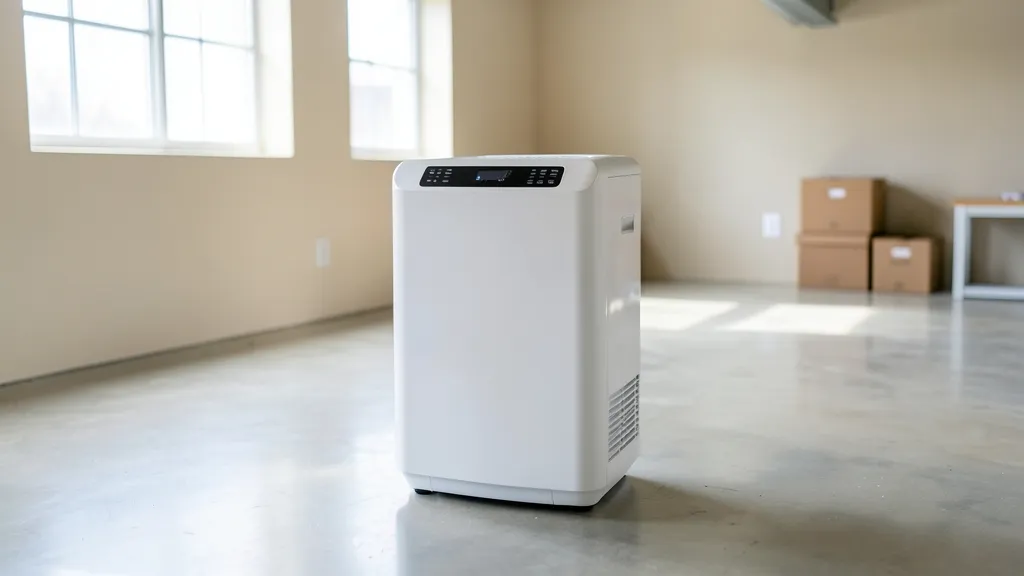
Mold spores are everywhere in coastal Alabama, but the right air purifier can dramatically cut their presence indoors. We’ve tested and installed these systems alongside our mold remediation work—here’s what actually reduces spores, not just odors. Pairing purification with moisture control is key in our humid climate.
Why Foley Homes Need Mold-Specific Air Purification
Our area’s high humidity and frequent storms create ideal conditions for mold growth. Even after professional mold remediation, spores can linger in the air, waiting for moisture to regrow.
Standard air filters in HVAC systems often miss the smallest spores. True mold reduction requires HEPA filtration rated to capture particles as small as 0.3 microns.
HEPA vs. Non-HEPA: The Only Filter That Matters for Mold
HEPA (High-Efficiency Particulate Air) filters are the gold standard for mold spores. They trap 99.97% of particles at 0.3 microns—small enough to catch most mold spores.
Ionizers and ozone generators don’t physically remove spores and can even worsen indoor air quality. Stick with true HEPA for mold.
| Filter Type | Captures Mold Spores? | Notes |
|---|---|---|
| True HEPA | Yes | Must be rated H13 or higher for spores |
| Activated Carbon | No | Removes VOCs/odors, not particles |
| UV-C Light | Partial | Kills spores passing directly under bulb; not standalone |
| Ionizer | No | Can produce harmful byproducts |
| Ozone Generator | No | Avoid—ozone damages lungs and materials |
What to Look for in a Mold-Fighting Air Purifier
CADR (Clean Air Delivery Rate) for dust/pollen should be at least 2/3 of your room’s square footage. For a 300 sq ft Foley bedroom, aim for a CADR of 200+.
Sealed systems prevent spores from bypassing the filter. Avoid purifiers with gaps or poor seals—common in cheap units.
A pre-filter extends HEPA life by catching larger particles first. Look for washable pre-filters to cut replacement costs.
In Gulf Shores or Orange Beach, where salt air accelerates filter wear, check and replace HEPA filters every 6–9 months, not the usual 12.
Top Air Purifier Features for Mold Prone Areas
Air quality sensors auto-adjust fan speed when spores or humidity rise. Useful in Robertsdale’s older homes with inconsistent ventilation.
UV-C light can neutralize spores trapped on the filter, but it’s not a substitute for HEPA. Best used as a secondary defense.
High air changes per hour (ACH) ratings mean faster purification. For mold, aim for 4–6 ACH in the room you’re treating.
Where Air Purifiers Fall Short (and When to Call Us)
Purifiers clean the air, but they won’t remove mold growing on walls, in crawl spaces, or under flooring. That requires professional mold remediation.
If you see visible mold, smell musty odors, or have had water damage in Foley, Orange Beach, or Loxley, an air purifier alone won’t solve the problem. Mold testing and removal come first.
Running an air purifier in a room with active mold growth can spread spores faster by stirring up contaminated air. Always remediate first.
Pairing Purifiers with Moisture Control
Mold spores need moisture to grow. In our climate, even a high-quality purifier is useless without controlling humidity below 60%.
Dehumidifiers, exhaust fans in bathrooms/kitchens, and crawl space encapsulation work alongside purifiers. We often install these systems together in Gulf Shores and Robertsdale homes.
Mold Prevention Checklist for Foley Homes
- Run a dehumidifier in basements/crawl spaces (target: 45–55% humidity)
- Use bathroom exhaust fans for 20+ minutes after showers
- Inspect attics and crawl spaces for leaks or condensation annually
- Replace HVAC filters every 1–2 months (MERV 8–13 for mold)
- Direct water away from foundations with proper grading
Sizing Your Air Purifier for Foley Spaces
Undersized purifiers struggle in open-concept homes common in Orange Beach. For a 1,500 sq ft great room, you’ll need a unit rated for at least 1,000 sq ft or multiple smaller purifiers.
Portable purifiers work for bedrooms and living rooms, but whole-house systems (integrated with HVAC) are better for widespread mold concerns. We install both during remediation projects.
Commercial Spaces Need Heavy-Duty Solutions
Restaurants, salons, and offices in Foley and Gulf Shores often have larger mold challenges due to high foot traffic and HVAC systems. Commercial-grade purifiers with higher CADR and replaceable filters are essential.
For these spaces, we recommend modular systems that can scale with square footage and integrate with existing HVAC for whole-building air cleaning.
How to Choose the Right Air Purifier for Mold Spores
Follow these steps to pick a purifier that actually reduces mold in your home.
- 1Measure Your Space
Calculate the square footage of the room where you’ll use the purifier. Multiply length by width for each room you plan to treat.
- 2Check the CADR Rating
Look for a CADR for dust/pollen at least 2/3 of your room’s square footage. For example, a 400 sq ft room needs a CADR of 260+.
- 3Verify True HEPA Filtration
Ensure the purifier has a sealed true HEPA filter (H13 or higher). Avoid ‘HEPA-like’ or ‘HEPA-type’ labels—they’re not the same.
- 4Consider Additional Features
Prioritize air quality sensors, UV-C light (as a bonus), and washable pre-filters. Skip ionizers and ozone generators.
- 5Plan for Maintenance
Factor in filter replacement costs and frequency. In humid climates like ours, expect to replace HEPA filters every 6–9 months.
- 6Pair with Moisture Control
Install a dehumidifier if humidity exceeds 60%. Without moisture control, spores will keep returning.
Frequently Asked Questions
Can an air purifier remove mold spores completely?
No air purifier removes 100% of mold spores, but a true HEPA purifier can capture the vast majority—reducing them to safe levels. For complete removal, you’ll need professional mold remediation and moisture control.
How long does it take for an air purifier to reduce mold spores in a room?
With a properly sized purifier, you’ll see a noticeable reduction in spores within 30–60 minutes. For full air turnover, run it continuously for 24–48 hours, especially after mold remediation.
Are air purifiers worth it for attic or crawl space mold in Foley?
Purifiers aren’t practical for attics or crawl spaces—they’re too large and poorly sealed. For these areas, we recommend encapsulation, ventilation improvements, and professional mold removal instead.
Do UV air purifiers kill mold spores?
UV-C light can neutralize spores that pass directly under the bulb, but it doesn’t remove dead spores or particles from the air. It’s best used alongside HEPA filtration, not as a standalone solution.
What’s a good air purifier for mold after water damage in my Foley home?
After water damage, first address the source with water damage restoration and mold remediation. Then, use a high-CADR HEPA purifier with a sealed system to capture lingering spores. Request a quote to assess your space and needs.
Can I use an air purifier instead of fixing a mold problem in my basement?
No. Air purifiers clean the air but won’t stop mold from growing on surfaces. Basements in Robertsdale or Loxley with mold need remediation, moisture control, and often crawl space encapsulation to prevent recurrence.