DIY vs. Professional Mold Remediation: What Foley Homeowners Need to Know
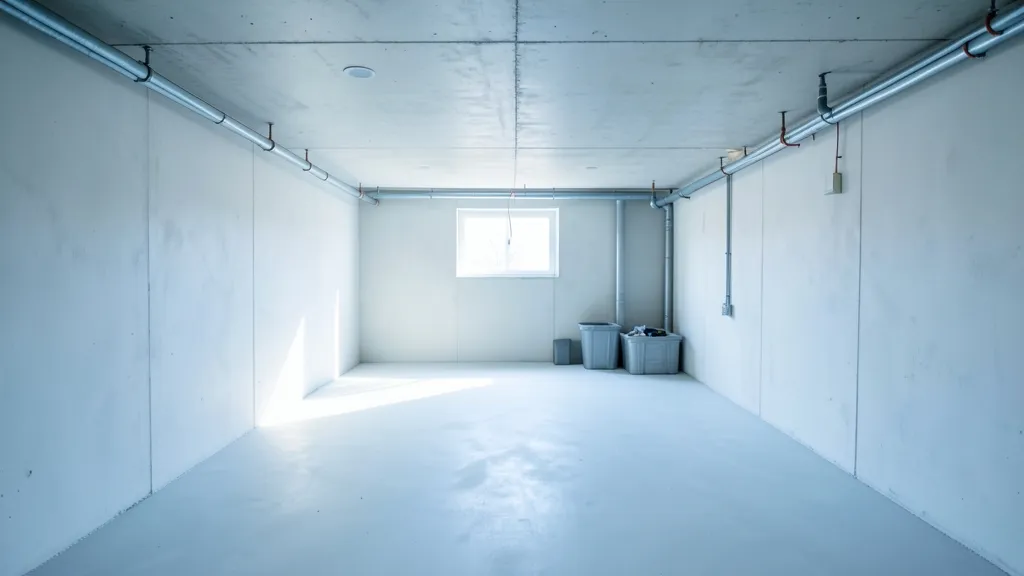
Mold in coastal Alabama homes isn’t just unsightly—it can compromise indoor air quality and structural integrity. While small patches might tempt a DIY fix, professional remediation is often the safer, more thorough choice. We break down when to roll up your sleeves and when to call our team.
Understanding Mold Growth in Coastal Alabama Climates
Foley’s humid subtropical climate creates ideal conditions for mold spores to thrive. High humidity, frequent rainfall, and poor ventilation accelerate growth on organic materials like drywall, wood, and insulation.
Mold isn’t just a surface issue. Hidden colonies in wall cavities, crawl spaces, or attics can spread undetected, worsening indoor air quality and triggering allergies or respiratory issues.
DIY Mold Removal: When It’s Safe (and When It’s Not)
DIY is viable for small, non-toxic mold patches (under 10 square feet) on non-porous surfaces like tile or glass. Use EPA-approved cleaners, wear PPE, and ensure the area is well-ventilated.
Avoid DIY if you suspect toxic black mold, have health concerns, or the mold returns after cleaning. Improper removal can release spores into the air, worsening contamination.
Never attempt DIY remediation if you have asthma, immune disorders, or unexplained symptoms. Disturbing mold can release mycotoxins.
The Professional Advantage: Tools and Techniques
Our team uses moisture meters to detect hidden water sources fueling mold. Thermal imaging cameras reveal temperature variations behind walls, pinpointing problem areas invisible to the naked eye.
HEPA air scrubbers and negative air pressure systems prevent spores from spreading during removal. Antimicrobial treatments and encapsulation ensure mold doesn’t return.
For severe infestations in crawl spaces, attics, or basements, we deploy commercial-grade dehumidifiers and containment barriers to isolate the area.
DIY vs. Professional Remediation: Key Differences
Professionals don’t just remove mold—they address the root cause. We fix leaks, improve drainage, and recommend moisture control solutions to prevent recurrence.
| Factor | DIY | Professional |
|---|---|---|
| Scope | Small, surface-level patches | Large or hidden infestations |
| Safety | Limited PPE; risk of exposure | Full PPE, containment, HEPA filtration |
| Equipment | Household cleaners, gloves | Moisture meters, air scrubbers, antimicrobials |
| Long-term Results | High recurrence risk | |
| Time | Quick but often incomplete | Thorough, with follow-up testing |
| Cost Factors | Low upfront, potential hidden damage | Higher upfront, cost-effective long-term |
When to Call a Pro in Foley and Nearby Areas
Call us immediately if mold covers more than 10 square feet, appears in HVAC systems, or follows water damage from storms or flooding. These scenarios often affect Gulf Shores, Orange Beach, and Robertsdale homes after heavy rains.
Recurring mold after cleaning signals an underlying moisture issue. Our mold inspection and air quality testing identify the source, whether it’s a leaky pipe, poor attic ventilation, or crawl space humidity.
Mold can begin growing within 24-48 hours of water exposure. Prompt water damage restoration prevents costly remediation later.
The Remediation Process: What to Expect
We start with a thorough mold inspection and testing to assess the extent and type of mold. This step is critical for developing a targeted remediation plan.
Containment barriers isolate the affected area to prevent cross-contamination. Negative air pressure ensures spores don’t escape during removal.
Porous materials like drywall or carpet often require removal, while non-porous surfaces are cleaned with antimicrobial solutions. HEPA vacuuming and air scrubbing follow to capture lingering spores.
Preventing Mold in Foley’s Humid Climate
Control indoor humidity below 60% with dehumidifiers, especially in basements and crawl spaces. In coastal areas like Loxley or Orange Beach, whole-home systems may be necessary.
Ensure proper ventilation in bathrooms, kitchens, and attics. Exhaust fans and open windows reduce moisture buildup after showers or cooking.
Regularly inspect for leaks in roofs, pipes, and windows. Address water damage immediately to prevent mold from taking hold.
Mold Prevention Checklist
- Use dehumidifiers in high-moisture areas
- Install exhaust fans in bathrooms and kitchens
- Inspect roofs and gutters for leaks annually
- Seal gaps around windows and doors
- Schedule annual mold inspections for peace of mind
Commercial Mold Remediation: Protecting Your Business
Mold in commercial properties—like restaurants, hotels, or offices in Foley or Gulf Shores—poses unique risks. It can lead to health complaints, lost revenue, and legal liabilities.
Our commercial mold remediation services include large-scale containment, industrial air scrubbers, and minimal disruption to operations. We work after hours to keep your business running.
How to Assess if You Need Professional Mold Remediation
Follow these steps to determine whether DIY is sufficient or if it’s time to call in experts.
- 1Identify the Mold’s Extent
Measure the affected area. If it’s larger than 10 square feet or in multiple locations, professional remediation is likely necessary.
- 2Check for Hidden Mold
Look for signs like musty odors, water stains, or peeling paint. Hidden mold often lurks behind walls, under flooring, or in HVAC systems.
- 3Consider Health Symptoms
If occupants experience unexplained allergies, respiratory issues, or skin irritation, mold may be the culprit. Professionals can test air quality to confirm.
- 4Evaluate the Surface Type
Mold on porous materials (drywall, carpet, ceiling tiles) usually requires removal. Non-porous surfaces (glass, metal) may be cleaned, but only if the area is small.
- 5Assess Recurrence Risk
If mold returns after cleaning, the root cause (like a leak or high humidity) hasn’t been addressed. Pros use moisture meters and thermal imaging to find the source.
- 6Request a Professional Inspection
When in doubt, schedule a mold inspection. Our team provides detailed reports and remediation plans tailored to your home or business.
Frequently Asked Questions
How do I know if the mold in my Foley home is toxic?
Toxic mold, like Stachybotrys (black mold), often appears dark green or black and has a slimy texture. However, visual identification isn’t reliable. Professional mold testing analyzes spores to determine toxicity and health risks.
Can I paint over mold to hide it?
No. Painting over mold without removing it first traps moisture and allows the colony to grow underneath. The mold will eventually resurface, often worse than before. Always remediate first, then repaint.
How long does professional mold remediation take?
Timelines vary based on the infestation’s size and location. Small jobs may take a day, while large or hidden mold (e.g., in crawl spaces or attics) can require several days. We provide estimates after inspection.
Does homeowners insurance cover mold remediation in Alabama?
Coverage depends on your policy and the mold’s cause. Most standard policies exclude mold unless it results from a covered peril, like a burst pipe. Review your policy or request a quote for remediation costs.
What’s the difference between mold removal and mold remediation?
Mold removal refers to eliminating visible mold, while remediation addresses the root cause (e.g., moisture) and prevents recurrence. Remediation includes containment, cleaning, and prevention strategies for long-term protection.
Do you serve areas near Foley, like Gulf Shores or Robertsdale?
Yes. We provide mold inspection, testing, and remediation services across Baldwin County, including Gulf Shores, Orange Beach, Robertsdale, and Loxley. Local climate conditions mean we’re well-versed in coastal mold challenges.