How to Prepare Your Foley Home for Professional Mold Removal
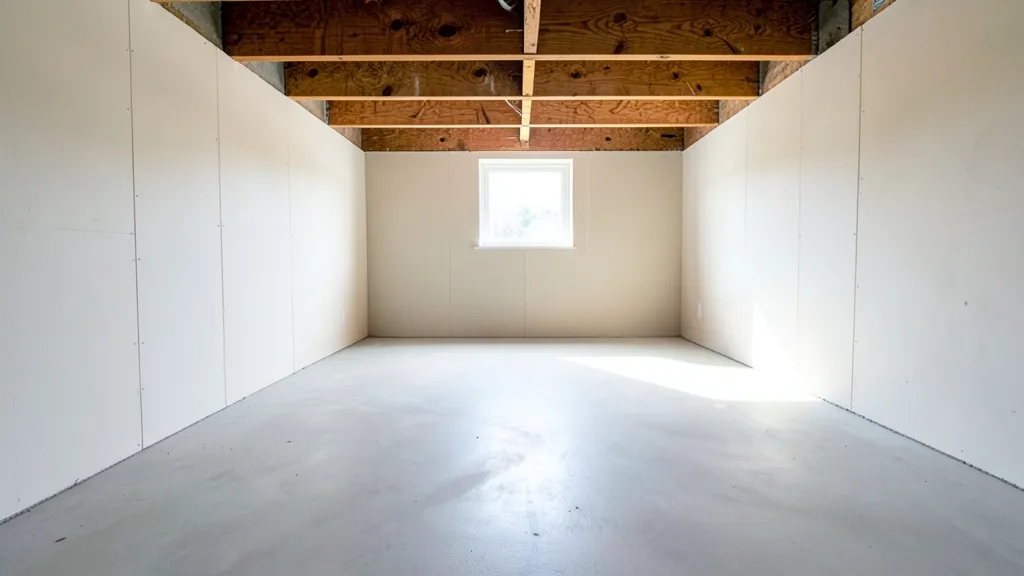
Preparing your home for mold removal isn’t just about clearing space—it’s about ensuring safety, efficiency, and preventing recurrence. Our team has seen how proper prep in Foley’s humid climate cuts remediation time and cost significantly. Here’s how to do it right.
Why Preparation Matters Before Mold Remediation
Mold spores spread easily when disturbed. Without proper prep, remediation can turn a contained issue into a home-wide contamination.
In coastal Alabama, high humidity and seasonal storms (like those hitting Gulf Shores or Orange Beach) mean mold thrives. Prep minimizes spore dispersal and protects unaffected areas.
Never attempt to scrub or bleach mold before professionals arrive. This can release spores and worsen the problem.
Step 1: Identify and Isolate the Affected Area
Locate visible mold or musty odors. Common hotspots include basements, crawl spaces, attics, and bathrooms—especially after water damage.
Seal off the area with plastic sheeting and tape to create a containment barrier. This is critical for homes in Robertsdale or Loxley, where older structures may lack modern moisture barriers.
Step 2: Remove or Protect Belongings
Porous items like carpet, drywall, or furniture with mold growth often need removal. Non-porous items (glass, metal) can be cleaned but must be sealed in plastic during remediation.
For valuable or sentimental items, consult our team about professional content cleaning. Foley’s humidity can cause hidden mold in stored belongings.
Items to Remove or Seal
- Carpets and rugs
- Upholstered furniture
- Clothing and bedding
- Books and paper products
- Electronics (if exposed to moisture)
Step 3: Control Airflow and Humidity
Turn off HVAC systems to prevent spores from spreading through vents. This is especially important in multi-story homes common in Orange Beach or Gulf Shores.
Use dehumidifiers to lower humidity below 50%. Foley’s subtropical climate means moisture lingers, so run them 24-48 hours before remediation begins.
What to Expect During Professional Mold Removal
Our team uses HEPA vacuums, air scrubbers, and negative air pressure to contain spores. For crawl spaces or attics, we may recommend encapsulation or improved ventilation.
Commercial properties or large homes may require phased remediation. Nearby areas like Robertsdale often see mold in older commercial buildings due to poor drainage.
| Area | Primary Technique | Secondary Measures |
|---|---|---|
| Attic | HEPA vacuuming + antimicrobial treatment | Improve ventilation, seal leaks |
| Crawl Space | Encapsulation + dehumidification | Install vapor barriers, sump pumps |
| Bathroom | Surface cleaning + sealants | Replace grout, fix plumbing leaks |
| Basement | Waterproofing + mold-resistant materials | French drains, sump pumps |
Safety Precautions for Occupants and Pets
Vacate the home during active remediation, especially for large infestations or toxic black mold. Pets are equally vulnerable to mycotoxins.
If staying on-site, avoid the contained area entirely. Our team will use PPE (respirators, gloves, suits) to handle mold safely.
Children, elderly, or immunocompromised individuals should leave the premises during remediation. Mold exposure can trigger severe respiratory issues.
Post-Remediation: Preventing Mold’s Return
Mold will return without addressing the root cause: moisture. Fix leaks, improve drainage, and monitor humidity levels year-round.
Consider a professional mold inspection and air quality testing after remediation. This is wise for Foley homes near flood-prone zones or older neighborhoods in Loxley.
How to Inspect for Hidden Mold Before Remediation
Hidden mold often lurks behind walls or under flooring, especially after water damage.
- 1Check for Water Stains
Look for discoloration on walls, ceilings, or floors. These often indicate past or current moisture issues.
- 2Follow Musty Odors
Mold has a distinct earthy smell. Trace odors to their source, especially in basements or crawl spaces.
- 3Inspect Behind Furniture
Move furniture away from walls. Mold thrives in dark, undisturbed areas with poor airflow.
- 4Use a Moisture Meter
These tools detect high moisture levels in materials. Readings above 15-20% signal potential mold risk.
- 5Look for Warping or Bubbling
Peeling paint, warped wood, or bubbling wallpaper often mean moisture and mold are present beneath.
Frequently Asked Questions
How long does mold remediation take in a Foley home?
Timelines vary by infestation size and area. A small bathroom job may take 1-2 days, while a crawl space or attic in an older Loxley home could take a week. Request a quote for an accurate estimate.
Can I stay in my home during mold removal?
For minor, contained mold, you may stay if you avoid the area. For large or toxic mold infestations, especially in living spaces, vacating is safest. Our team will advise based on the inspection.
Will mold come back after remediation?
Not if moisture is controlled. Post-remediation, we recommend regular inspections and humidity monitoring. Homes in Gulf Shores or Orange Beach may need extra attention due to coastal humidity.
Do I need mold testing before remediation?
Testing identifies mold types and spore counts, which helps tailor the remediation plan. It’s especially useful for commercial properties or if occupants have health concerns.
What’s the difference between mold removal and remediation?
Removal eliminates visible mold, while remediation addresses the root cause (moisture) and prevents recurrence. True remediation includes containment, cleaning, and moisture control.
Are there signs my Foley home has hidden mold?
Yes: persistent musty odors, unexplained allergies, water stains, or peeling paint. If you notice these, schedule a professional mold inspection.