How to Prepare Your Foley Home for Professional Mold Remediation
Mold remediation isn’t just about removing visible growth—it’s about protecting your home and health long-term. Proper preparation ensures our team can work efficiently and safely, minimizing disruption and preventing recurrence. Here’s how to get your space ready for professional intervention.
Understand Why Preparation Matters
Mold remediation disrupts spores, which can spread if not contained. Preparation limits cross-contamination and protects unaffected areas of your home.
Our team uses containment barriers and negative air pressure, but your upfront actions reduce risks and save time on-site.
Clear the Work Area Completely
Remove all furniture, decor, and personal items from the affected space. Mold spores cling to fabrics and porous surfaces, so relocate them to a clean, dry area.
For large or fixed items (e.g., built-ins), cover them with 6-mil plastic sheeting and seal with tape. This step is critical in attics or crawl spaces where dust and debris are inevitable.
Avoid touching or cleaning moldy areas yourself. Disturbing it releases spores into the air, worsening contamination and health risks.
Shut Off HVAC and Seal Vents
Turn off your HVAC system to prevent spores from circulating through ducts. This is especially important in humid climates like coastal Alabama, where spores thrive in ductwork.
Cover supply and return vents in the work zone with plastic sheeting. This blocks spore migration to other rooms, including neighboring areas like Gulf Shores or Orange Beach homes with shared systems.
Address Moisture Sources Immediately
Mold returns without fixing the root cause. Identify and stop leaks, condensation, or poor drainage before remediation begins.
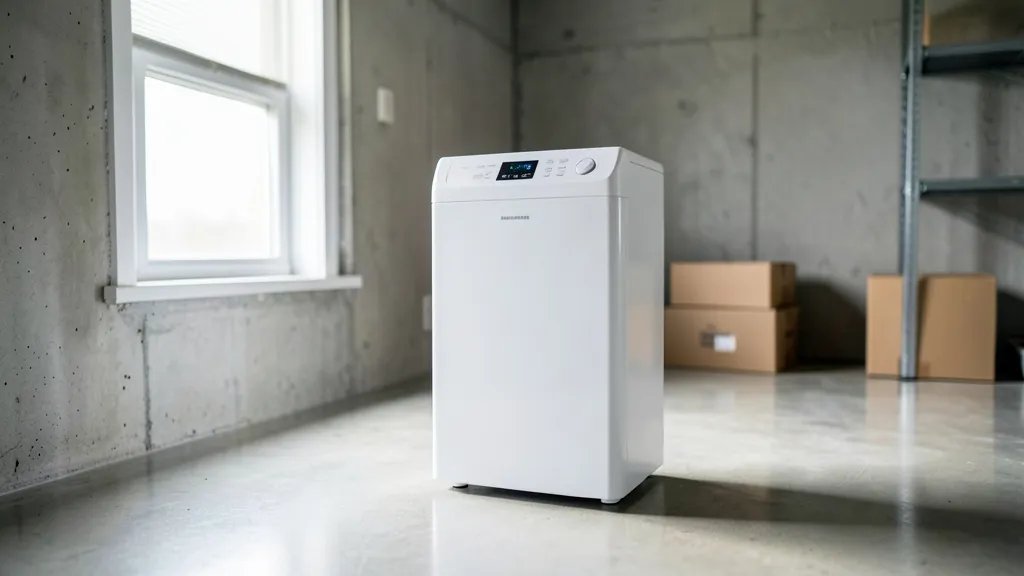
Use a dehumidifier to lower humidity below 50% in the affected area. Our team often sees recurring issues in Foley basements or crawl spaces due to unresolved moisture.
Moisture Control Checklist
- Inspect pipes, roofs, and windows for leaks
- Ensure proper grading away from the foundation
- Check attic and crawl space ventilation
- Run dehumidifiers in enclosed spaces
Protect Adjacent Living Spaces
Create a buffer zone with plastic sheeting and painter’s tape. This is vital in open floor plans common in Foley homes, where air flows freely between rooms.
If remediation includes attic or crawl space work, expect our team to use heavy-duty barriers. These areas often connect to living spaces via small gaps or vents.
| Containment Level | Area Size | Barrier Requirements | Negative Air Pressure |
|---|---|---|---|
| Level 1 | < 10 sq ft | Single layer of 6-mil plastic | Not required |
| Level 2 | 10–100 sq ft | Double layer of 6-mil plastic | Recommended |
| Level 3 | > 100 sq ft or HVAC contamination | Full containment with airlock | Required |
Plan for Temporary Relocation
For large-scale remediation (e.g., Level 3 containment), consider staying elsewhere. Spores and noise from equipment like air scrubbers can be disruptive.
If you remain on-site, avoid the work area entirely. Our team will cordon it off, but children, pets, and immunocompromised individuals should steer clear.
Move pets to a separate, unaffected area. Mold spores can trigger respiratory issues in animals, just as in humans.
Communicate with Your Remediation Team
Share details about the mold’s location, any prior water damage, and health concerns in the household. This helps us tailor containment and PPE protocols.
Ask about post-remediation steps, such as air quality testing or moisture control recommendations. Many Foley homeowners overlook follow-up, leading to recurrence.
Post-Remediation Expectations
After remediation, our team will conduct a final inspection and may recommend air quality testing to confirm spore levels are safe.
Keep the area dry and monitor for new growth. Recurring mold often signals unresolved moisture, common in Foley’s humid summers or after heavy rains.
How to Prepare for Mold Remediation in 5 Steps
Follow these steps to ensure a smooth, effective remediation process.
- 1Clear the Space
Remove all movable items from the affected area. Seal non-movable items with plastic sheeting.
- 2Shut Down HVAC
Turn off heating/cooling systems and cover vents to prevent spore spread through ducts.
- 3Isolate the Area
Use plastic sheeting and tape to create a barrier between the work zone and clean spaces.
- 4Address Moisture
Fix leaks, improve drainage, and run dehumidifiers to keep humidity below 50%.
- 5Confirm Access
Ensure our team can easily reach the site, including attics, crawl spaces, or basements. Clear pathways and unlock gates or doors.
Frequently Asked Questions
Do I need to leave my Foley home during mold remediation?
For small, contained projects (Level 1 or 2), you can usually stay. For large-scale work (Level 3) or if you have health concerns, temporary relocation is safest. Our team will advise based on the scope.
Can I clean mold myself before professionals arrive?
No. Disturbing mold with bleach or DIY methods can spread spores and worsen contamination. Leave it untouched until our team arrives with proper PPE and containment equipment.
How long does mold remediation take in Foley?
Small jobs may take 1–2 days, while extensive remediation (e.g., attics, crawl spaces, or multi-room) can take 3–7 days. Factors include the mold type, area size, and moisture source complexity.
Will mold come back after remediation?
Only if the moisture source isn’t fixed. Our process includes identifying and addressing the root cause, but ongoing vigilance—like monitoring humidity in Foley’s coastal climate—is key to prevention.
Do you offer mold testing after remediation?
Yes. Post-remediation air quality testing confirms spore levels are safe. We recommend it for peace of mind, especially in homes with past water damage or in high-risk areas like Gulf Shores or Orange Beach.
What should I do with items exposed to mold?
Non-porous items (e.g., glass, metal) can often be cleaned and salvaged. Porous materials (e.g., drywall, carpet, upholstery) usually require removal. Our team will assess and advise during the inspection.