The Truth About Black Mold and Your Health in Foley
Black mold isn’t just an unsightly nuisance—it’s a serious indoor environmental hazard. Our team sees firsthand how Stachybotrys and other toxic molds thrive in Foley’s humid climate, often hidden behind walls or under flooring until health symptoms emerge.
What Exactly Is Black Mold?
Black mold typically refers to Stachybotrys chartarum, a greenish-black fungus that grows on cellulose-rich materials like drywall, wood, and insulation. It requires chronic moisture—common after leaks, flooding, or poor ventilation—to take hold.
Unlike common household molds, Stachybotrys produces mycotoxins under certain conditions. These microscopic compounds can become airborne and are linked to a range of health effects, especially in sensitive individuals.
Many molds appear dark. Only lab testing confirms the species. What matters most is addressing any mold growth promptly, regardless of color.
Health Risks Linked to Black Mold Exposure
Short-term exposure may trigger allergic reactions: sneezing, itchy eyes, skin rashes, or throat irritation. Those with asthma or allergies often experience worsened symptoms in moldy environments.
Prolonged exposure, especially in poorly ventilated spaces, can lead to chronic sinusitis, respiratory infections, or fatigue. Immune-compromised individuals face higher risks of fungal lung infections.
Mycotoxins from Stachybotrys are suspected of causing neurological symptoms like headaches, memory issues, or mood changes in some cases. Research is ongoing, but the EPA and CDC advise removing all mold, toxic or not.
Where Black Mold Hides in Coastal Alabama Homes
Foley’s warm, humid climate accelerates mold growth. We frequently find black mold in water-damaged drywall after roof leaks, especially in attics with poor ventilation.
Crawl spaces without vapor barriers are prime targets. Ground moisture rises, saturating wood and insulation. Basements in older homes near Robertsdale or Loxley often suffer similar issues.
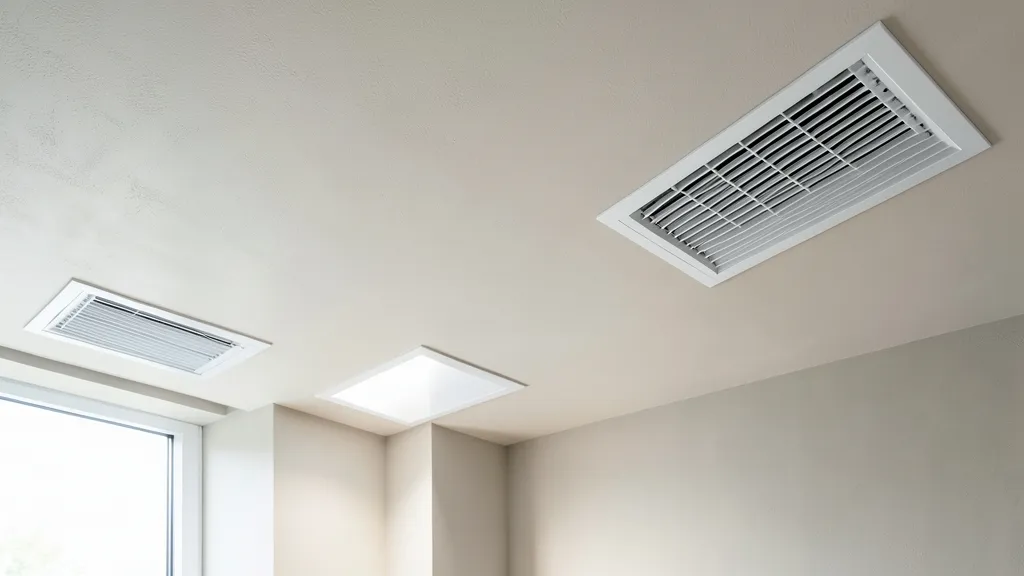
HVAC systems can spread mold spores throughout a home if ductwork or coils are contaminated. Bathrooms, kitchens, and laundry rooms with persistent leaks or high humidity are also common culprits.
| Area | Typical Mold Type | Primary Cause |
|---|---|---|
| Attic | Stachybotrys, Aspergillus | Roof leaks, poor ventilation |
| Crawl Space | Stachybotrys, Chaetomium | Ground moisture, no vapor barrier |
| Bathroom | Cladosporium, Penicillium | Chronic humidity, leaky pipes |
| HVAC Ducts | Aspergillus, Stachybotrys | Condensation, dirty filters |
| Basement | Stachybotrys, Fusarium | Flooding, poor drainage |
Signs You Might Have a Black Mold Problem
Visible dark spots or streaks on walls, ceilings, or baseboards are obvious red flags. But mold often grows in hidden areas, so don’t rely on sight alone.
Musty odors are a strong indicator. If a room smells earthy or damp, especially after rain, investigate further. Persistent allergies that improve when you’re away from home are another warning sign.
Water stains, peeling paint, or warped flooring suggest past or ongoing moisture issues. In Foley, even minor leaks can lead to major mold if not addressed quickly in our humid environment.
Avoid touching or scrubbing moldy areas. Disturbing it can release spores into the air, worsening contamination. Professional containment is critical.
How Black Mold Spreads in Your Home
Mold reproduces via microscopic spores, which are always present in the air. When spores land on damp surfaces, they germinate and form new colonies within 24–48 hours.
Air currents from HVAC systems, open windows, or even foot traffic can carry spores to new areas. In Gulf Shores and Orange Beach, salt air and high humidity create ideal conditions for rapid spread.
Porous materials like drywall, carpet, and ceiling tiles absorb moisture and spores deeply. Once mold roots into these materials, DIY cleaning often fails to fully remove the contamination.
When to Call a Professional for Mold Remediation
If mold covers more than 10 square feet, or if it’s in your HVAC system, professional remediation is essential. Our team uses containment barriers and HEPA air scrubbers to prevent cross-contamination.
Hidden mold—such as behind walls or under flooring—requires specialized equipment like moisture meters and borescopes to locate and assess. We often uncover extensive growth during water damage restoration projects.
Health symptoms linked to mold exposure should be addressed promptly. In Foley, we also recommend mold testing and air quality testing to confirm the extent of the problem before remediation begins.
Preventing Black Mold in Foley’s Climate
Controlling moisture is the key to mold prevention. Use dehumidifiers in basements and crawl spaces, especially during Foley’s long, humid summers. Aim to keep indoor humidity below 60%.
Fix leaks promptly—whether from roofs, pipes, or windows. Regularly inspect attics, crawl spaces, and around appliances for signs of water intrusion. Proper grading around your home’s foundation also prevents water from pooling.
Improve ventilation in high-moisture areas like bathrooms, kitchens, and laundry rooms. Exhaust fans should vent outdoors, not into attics. For commercial properties, we recommend scheduled mold inspections as part of routine maintenance.
Mold Prevention Checklist for Homeowners
- Use dehumidifiers in damp areas (crawl spaces, basements)
- Fix leaks within 24–48 hours to prevent growth
- Ensure proper ventilation in bathrooms and kitchens
- Inspect attics and crawl spaces seasonally
- Install vapor barriers in crawl spaces
- Clean and dry water-damaged areas immediately
How to Respond If You Suspect Black Mold
Taking the right steps quickly can limit damage and health risks.
- 1Isolate the Area
Close doors or use plastic sheeting to seal off the affected space. Turn off HVAC systems to prevent spore spread.
- 2Avoid Contact
Do not touch or disturb the mold. Wear an N95 respirator if you must enter the area briefly.
- 3Document the Issue
Take photos or videos of the mold and moisture sources. Note any health symptoms experienced by household members.
- 4Contact a Professional
Schedule a mold inspection and testing. Our team serves Foley, Gulf Shores, Orange Beach, and surrounding areas with thorough assessments.
- 5Address Moisture Sources
Identify and fix the water intrusion or humidity problem causing the mold. This step is critical to prevent recurrence.
- 6Request a Remediation Plan
Based on test results, we’ll provide a detailed remediation plan, including containment, removal, and prevention strategies.
Frequently Asked Questions
Is black mold more dangerous than other types of mold?
Black mold (Stachybotrys) can produce mycotoxins that pose greater health risks than common molds, but all mold should be removed. The CDC advises treating any mold growth seriously, as reactions vary by individual.
Can I test for black mold myself?
DIY test kits are available, but they often lack accuracy and don’t identify the extent of contamination. Professional mold testing includes air and surface samples analyzed by accredited labs, providing reliable results.
How long does black mold remediation take in Foley?
Timelines vary based on the size and location of the infestation. Small, contained projects may take 1–3 days, while extensive mold in crawl spaces or attics can require a week or more. Moisture control and drying time also factor in.
Will my homeowners insurance cover mold remediation?
Coverage depends on your policy and the cause of the mold. Most standard policies exclude mold unless it results from a covered peril, like a burst pipe. We recommend reviewing your policy and documenting the source of moisture.
What’s the difference between mold removal and mold remediation?
Mold removal refers to eliminating visible mold, while remediation addresses the root cause—moisture—and ensures spores are contained and prevented from returning. Remediation includes cleanup, repairs, and prevention strategies.
Are there areas in Foley more prone to black mold?
Homes near water bodies, older properties with poor ventilation, and neighborhoods with frequent flooding (including parts of Foley and Gulf Shores) are at higher risk. Crawl spaces without vapor barriers are particularly vulnerable in our region.